

A LinkedIn Company Page isn’t just a digital business card — it’s a publishing channel. And like any channel, it needs consistent, high‑quality content to grow.
The problem is most brands run out of ideas after the first five posts.
This guide gives you 30 proven LinkedIn Company Page content ideas you can use all year round.
These ideas work for B2B, B2C, SaaS, agencies, and local businesses — and they’re designed to increase reach, engagement, and follower growth.
Why your Company Page needs a content strategy
The LinkedIn algorithm rewards pages that:
- Post consistently
- Share content people actually engage with
- Mix formats (video, images, text, documents)
- Encourage employees to interact
The ideas below are built around those principles — so you’re not just posting more, you’re posting smarter.
30 Proven LinkedIn Company Page Content Ideas
1. Founder stories
Founder stories work because they humanise the brand. Instead of a faceless company, people see the real person who took the risk, made the leap, and built something from scratch.
These posts can explore early challenges, the moment the idea clicked, the first big win, or the messy middle that most businesses never talk about.
When done well, they create emotional connection and give followers a reason to care about the company beyond its products.
2. Behind‑the‑scenes photos
Behind‑the‑scenes content shows the real work that happens before the polished final product. It could be your team planning a campaign, packing orders, testing features, or simply collaborating in the office.
These posts make your company feel more transparent and relatable, giving followers a glimpse into your culture, processes, and personality.
People love seeing how things actually get made or delivered.
3. Employee spotlights
Employee spotlights highlight the humans who keep the business running. These posts can share a team member’s role, background, achievements, and even fun personal details that make them memorable.
They build internal pride, attract talent, and show potential customers that your company values its people.
When employees feel seen, they’re more likely to engage and share the post, boosting reach.
4. Customer success stories
Customer success stories demonstrate real‑world impact. Instead of talking about features, you’re showing outcomes — the transformation, the solved problem, the measurable improvement.
These posts can be short case studies, before‑and‑after snapshots, or quotes paired with visuals.
They build trust quickly because they’re proof, not promotion, and they help potential customers imagine themselves achieving similar results.
5. Product or feature highlights
Product and feature highlights explain what you offer in a way that’s simple, useful, and benefit‑driven. Instead of listing specs, focus on the problem it solves, the workflow it improves, or the time it saves.
These posts can introduce new features, showcase underrated ones, or break down how customers can get more value from your product.
They’re especially effective when paired with short demos or screenshots.
6. Short educational tips
Educational tips position your company as a helpful expert in your field.
These posts should be quick, actionable, and easy to apply — the kind of advice someone can use immediately. Think of them as micro‑lessons: a simple framework, a common mistake to avoid, or a best practice your team uses internally.
They build authority and keep your audience coming back for more.
7. Industry trend commentary
Trend commentary shows that your company understands the bigger picture. These posts break down what’s changing in your industry, why it matters, and how businesses should respond.
They can cover new regulations, emerging technologies, shifting customer behaviour, or market predictions.
When you add your own perspective — not just news — you position your brand as a forward‑thinking leader.
8. Myth‑busting posts
Myth‑busting posts challenge assumptions your audience probably believes.
They’re engaging because they create an “aha” moment — people love learning that something they thought was true is actually outdated or incorrect.
These posts help clarify misconceptions, simplify complex topics, and position your company as a trusted source of truth. They also spark conversation, which boosts reach.
9. Mini frameworks or models
Mini frameworks give your audience a simple structure they can use to solve a problem or think differently. These could be three‑step processes, decision models, checklists, or internal methods your team relies on.
They’re highly shareable because they turn expertise into something practical and repeatable. When people save your post, the algorithm rewards you with more visibility.
10. Company milestones
Milestone posts celebrate meaningful moments in your company’s journey — anniversaries, product launches, awards, new hires, or growth achievements.
These posts work because they show progress and momentum, giving followers a reason to cheer you on.
They also reinforce credibility, especially when paired with a short story about what the milestone means or how you got there.
11. Job openings
Job‑opening posts do more than announce a vacancy — they signal growth, momentum, and opportunity.
Instead of simply dropping a link to a careers page, these LinkedIn job posts work best when they highlight the story behind the role: why it exists, what impact it will have, and what kind of person thrives in your environment.
Adding a short quote from the hiring manager or a team photo makes the post feel more human and less transactional. When done well, these posts attract not just applicants, but the right applicants.
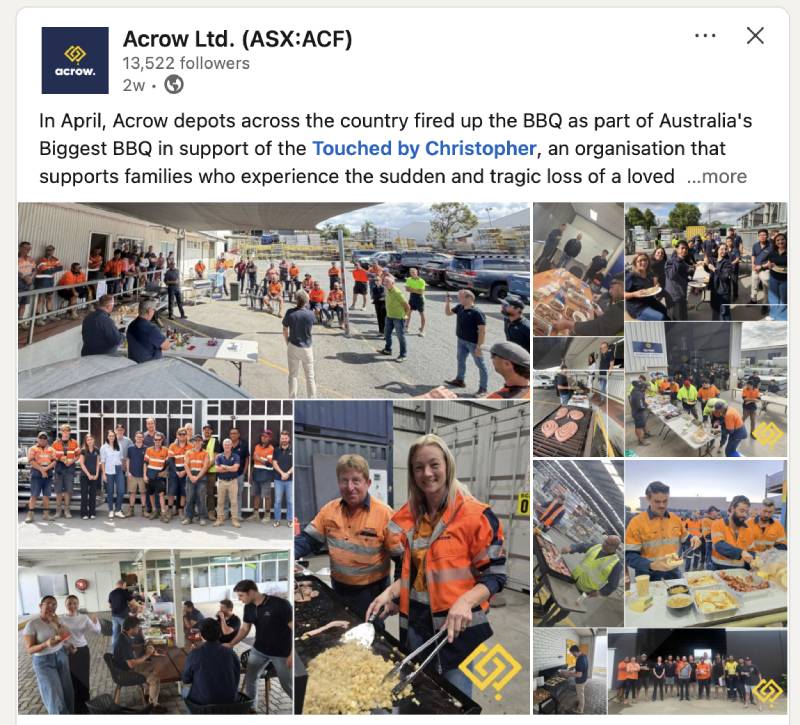
12. Team culture moments
Culture posts show what it actually feels like to work at your company. These can be snapshots of team lunches, volunteer days, internal workshops, or even small rituals like Friday stand‑ups or monthly wins meetings.
They help potential hires understand your vibe and reassure customers that your team is engaged and aligned. The key is authenticity — real moments, not staged photos. People want to see the heartbeat of the company, not a corporate brochure.
13. Polls
Polls are one of LinkedIn’s most reliable engagement tools because they invite quick participation and spark conversation.
They’re perfect for testing assumptions, gathering opinions, or learning more about your audience’s challenges. A good poll is simple, relevant, and framed around a question your industry genuinely debates.
The comments often reveal insights you can turn into future posts, articles, or even product improvements. Polls also boost visibility because LinkedIn pushes interactive content further in the feed.
14. Customer testimonials
Testimonials provide social proof in its purest form. When a customer publicly praises your product or service, it carries far more weight than anything you could say about yourself.
These posts work best when paired with a clean graphic, a photo of the customer, or a short story about how you helped them achieve a specific outcome.
They build trust quickly and reassure potential buyers that real people are getting real results. Keep them short, sincere, and specific.
15. How‑to posts
How‑to posts turn your expertise into practical value. They break down a process, workflow, or technique into simple steps your audience can follow.
These posts are especially effective when they solve a common pain point or teach something your customers frequently ask about.
They position your brand as a helpful guide rather than a salesperson, and they often get saved or shared because people want to revisit them later. The more actionable the advice, the better the performance.
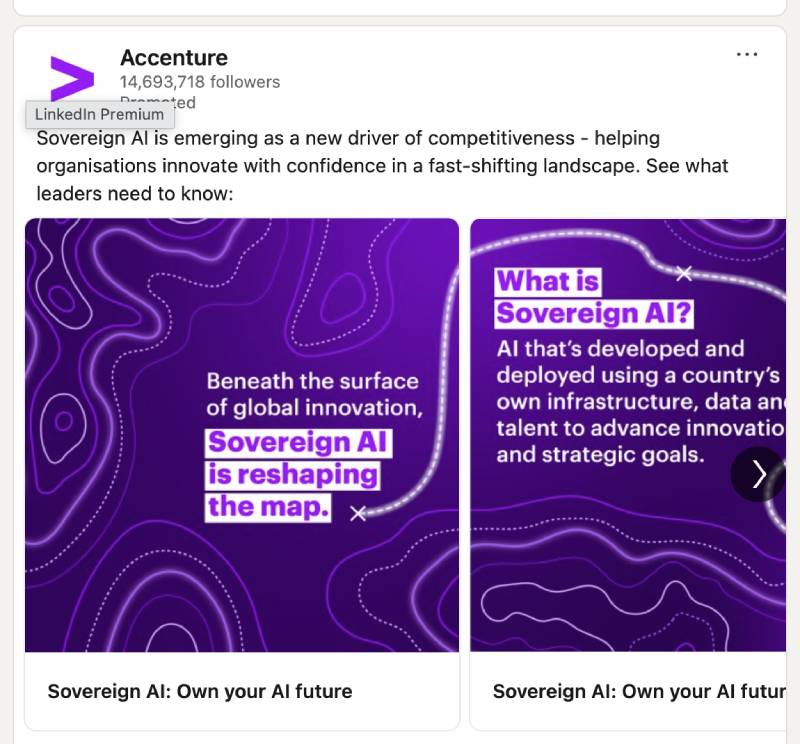
16. Carousel documents
Carousel documents are one of LinkedIn’s highest‑performing formats because they encourage dwell time — the algorithm’s favourite metric.
These swipeable PDFs can showcase frameworks, checklists, templates, or step‑by‑step guides. They’re visually engaging, easy to digest, and perfect for repurposing existing content like blog posts or presentations.
When designed cleanly, they feel like mini resources your audience can keep, which increases saves and shares. They’re a powerful way to package expertise in a format people love.
17. Thought‑leadership posts from executives
Executive thought‑leadership posts give your brand a voice with authority. When leaders share insights, lessons, or opinions, it signals confidence and clarity.
These posts can cover industry shifts, leadership philosophies, strategic decisions, or personal reflections that shaped the company’s direction.
They humanise leadership and help followers understand the values behind the brand. When executives show up consistently, the company page benefits from increased credibility and reach.
18. User‑generated content
User‑generated content (UGC) is powerful because it shows your product or service in the wild, used by real customers.
These posts might include photos, videos, reviews, or creative ways people incorporate your offering into their workflow. UGC builds trust, strengthens community, and reduces the need for polished marketing assets.
When you reshare customer content, it signals appreciation and encourages others to share their experiences too. It’s authentic, social proof at scale.
19. Event recaps
Event recaps give followers a window into your company’s involvement in the industry. Whether it’s a conference, webinar, workshop, or community event, these posts highlight key takeaways, memorable moments, and what your team learned.
They show that your company is active, engaged, and continuously improving. Adding photos, quotes, or short video clips makes the recap more dynamic.
These posts also help extend the life of the event beyond the day it happened.
20. Product roadmap teasers
Roadmap teasers build anticipation and keep your audience curious about what’s coming next. These posts can hint at upcoming features, improvements, or new directions without revealing everything.
They’re especially effective when framed around customer feedback — showing that you’re listening and evolving. Teasers create excitement, spark discussion, and give followers a reason to stay connected. They also help position your brand as innovative and forward‑thinking.
Photos, learnings, and highlights from conferences or webinars.
21. FAQ posts
FAQ posts are one of the simplest ways to reduce friction for your audience while positioning your company as genuinely helpful.
These posts address the questions customers ask most often — whether it’s about pricing, onboarding, timelines, features, or support. They work because they remove uncertainty and make your product or service feel easier to understand.
When you answer questions publicly, you also reduce the load on your support team and create a library of evergreen content you can reshare or link to. The key is clarity: one question, one answer, one takeaway.
22. Data insights or charts
Data‑driven posts stand out because they offer something concrete in a feed full of opinions. These posts can highlight industry trends, internal research, survey results, or performance benchmarks your audience cares about.
When you visualise the data — even with a simple chart — it becomes instantly more digestible and shareable. People trust brands that bring evidence, not just commentary.
These posts also position your company as a source of insight, which strengthens authority and encourages followers to check in regularly for more.
23. Customer onboarding tips
Onboarding tips help new customers get value faster and reduce the learning curve that often leads to churn.
These posts can highlight lesser‑known features, shortcuts, best practices, or common mistakes to avoid. They show that you’re invested in your customers’ success long after the sale.
When you share onboarding advice publicly, you also help prospects understand what using your product actually looks like. It’s a subtle but powerful way to demonstrate ease of use and support quality.
24. Partnership announcements
Partnership posts signal growth, collaboration, and strategic alignment.
Whether you’re integrating with another platform, teaming up for a campaign, or joining an industry initiative, these posts show that your company is connected and moving forward.
They also allow you to tap into your partner’s audience when they reshare the announcement. The strongest partnership posts explain why the collaboration matters and what value it creates for customers, not just that it exists.
25. Sustainability or community impact
Sustainability and community‑impact posts highlight the values behind your brand. These posts can showcase environmental initiatives, charity partnerships, volunteer programs, or internal commitments to ethical practices.
They resonate because people want to support companies that contribute positively to the world. The key is authenticity — real actions, real outcomes, real stories.
When you demonstrate impact rather than simply claiming it, your audience builds deeper trust and connection with your brand.
26. Team wins or shoutouts
Team‑win posts celebrate the people behind your success. These can highlight project completions, internal awards, personal achievements, or moments where someone went above and beyond.
They boost morale internally and show your audience that your company recognises and values its people.
These posts also help attract talent by giving potential hires a glimpse into how you support and celebrate your team. The more specific the story, the more meaningful the post feels.
27. Throwback posts
Throwback posts tap into nostalgia and storytelling. They can feature early office photos, first prototypes, old branding, or key moments from the company’s early days.
These posts remind your audience that every successful business starts somewhere — usually small, scrappy, and imperfect. They humanise your journey and show how far you’ve come.
They also create a sense of continuity, helping followers understand the evolution of your brand and its long‑term vision.
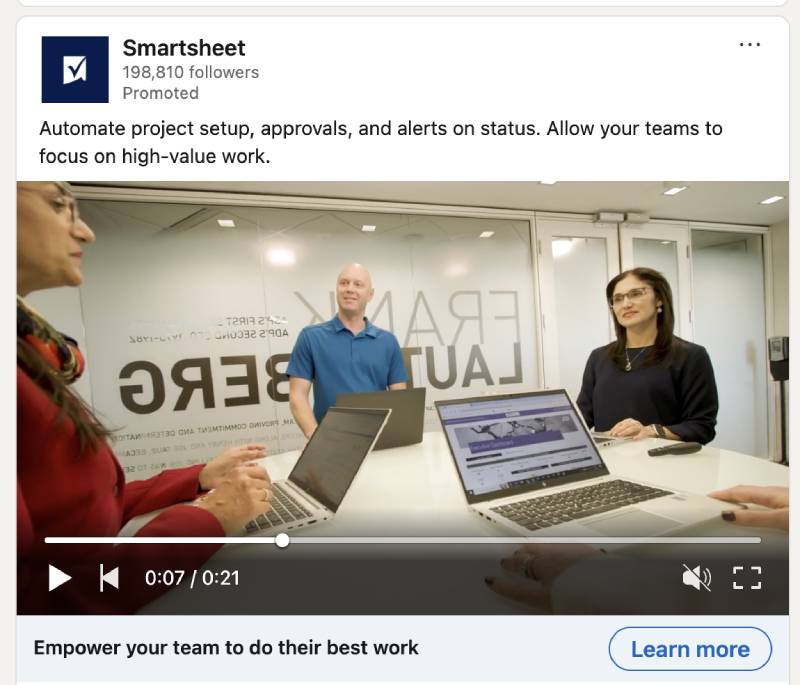
28. Short videos
Short videos are one of the most engaging formats on LinkedIn because they’re quick, visual, and easy to consume.
These can include product demos, team introductions, event highlights, or simple talking‑head insights from your experts. Videos help your audience connect with your brand on a more personal level because they can see faces, hear voices, and feel energy.
Even low‑production videos perform well when the message is clear and valuable. Consistency matters more than polish.
29. Newsletter highlights
Newsletter‑highlight posts repurpose your best email content into a format that reaches a wider audience. These posts can summarise key insights, share top resources, or tease upcoming editions.
They’re perfect for driving newsletter sign‑ups while giving your LinkedIn audience a taste of the value you deliver elsewhere.
This approach also extends the lifespan of your content — one strong newsletter can fuel multiple LinkedIn posts without extra effort.
30. Opinionated takes
Opinion posts cut through the noise because they show confidence and perspective. These aren’t rants — they’re thoughtful, experience‑backed viewpoints on industry trends, common mistakes, or outdated practices.
When your company takes a stance, it signals leadership and clarity. These posts often spark discussion, which boosts reach and visibility.
The key is to be bold but respectful, offering insight rather than provocation. When done well, opinion posts become some of your most memorable content.
How often should you post?
The sweet spot for most Company Pages is:
- 3–4 posts per week
- Mix of formats (text, image, video, carousel)
- One “high‑effort” post per week (carousel, video, or deep insight)
Consistency beats volume.
Final thoughts
Most LinkedIn company pages fail because they only post company news — and nobody cares about that except the company.
When you mix educational, human, and value‑driven content, your page becomes a magnet for followers and engagement.